 Informatics in healthcare
yet again June 19, 2026 -- I've blogged about informatics in healthcare a lot:
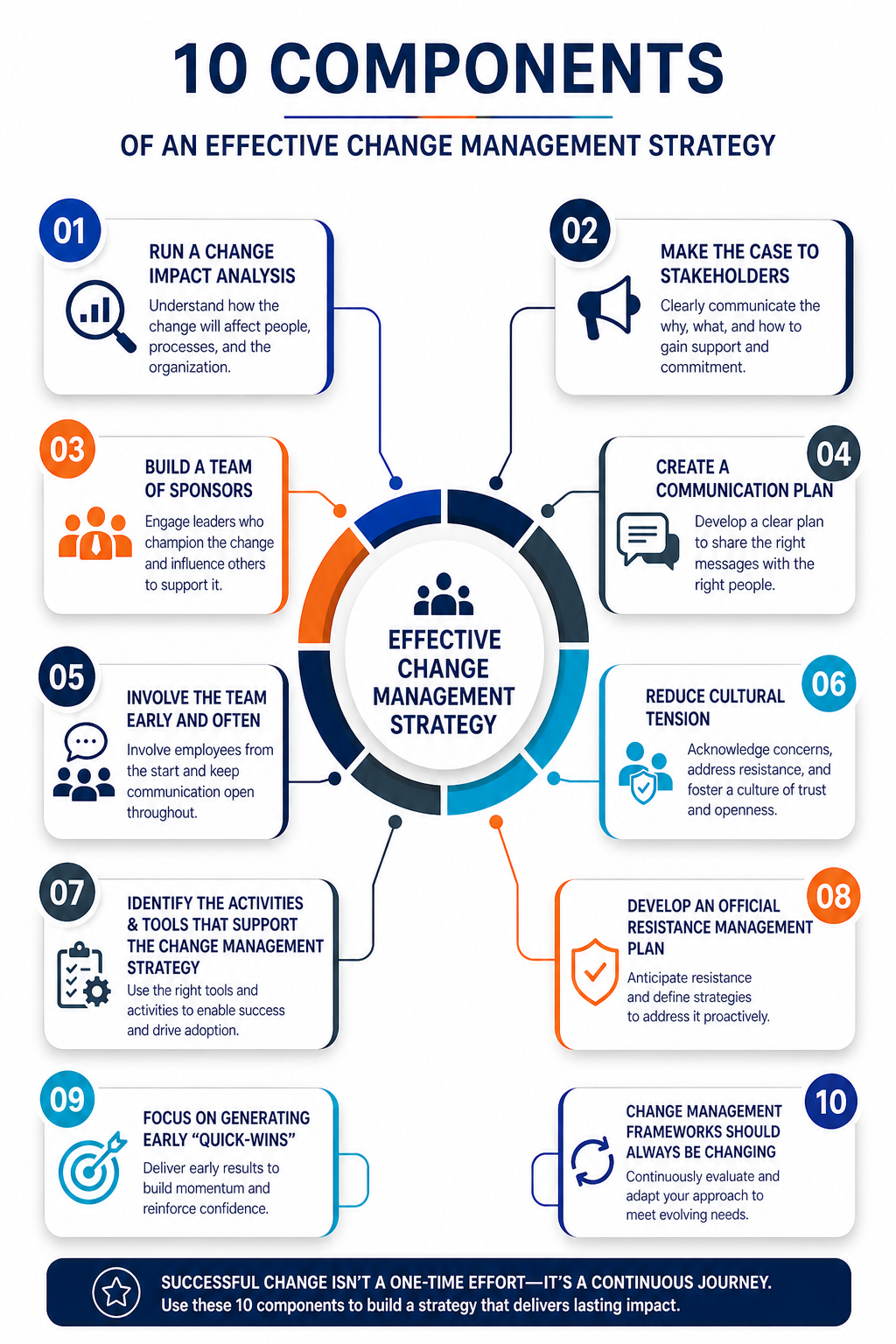
Nursing informatics -- my specialization as an RN -- is a nascent field, still finding its feet. What is our mandate? How are our outcomes to be measured? The common perception is that we provide a support function -- we help nurses be proficient with electronic health records, and occasionally we participate in the design of software or workflow. That's changing. Our primary purpose is to be change management leaders. Introducing technology into people's jobs changes them, and these changes are rarely comfortable or easy. Eventually, we wonder how we survived without it but it takes time and effort to get there. Yes, workers are change-averse. "It took me a long time to get good at my job... now you're telling me to change?" More than facilitators and trainers, we are leaders and advocates. An important part of what we informaticists do is represent our cohorts to management. We understand our workflows and advocate only for changes that make sense, that make us more effective and/or efficient. When proposed or mandated changes don't do this -- the classic example is the EHR with which we are obliged to spend more time than we do with our patients -- we must work with management to protect our productivity and safe practice. A HIMSS webinar I'm attending preaches, "Redefining Nursing Informatics: A Framework for Strategic Practice... [we must] evolve informatics practice toward strategic leadership and digital transformation... informatics teams can restructure competencies, roles, and priorities to drive innovation, data strategy, and value-based outcomes." We say, amen! |
Dan Keller's Nursing, Health Policy & Healthcare Technology Blog
Nursing Informatics · Clinical Perspectives · Healthcare Systems

"The United States alone [among wealthy countries] treats health care as a commodity to be distributed according to the ability to pay rather than a social service to be distributed according to medical need." — JAMA (2003), 290, 798