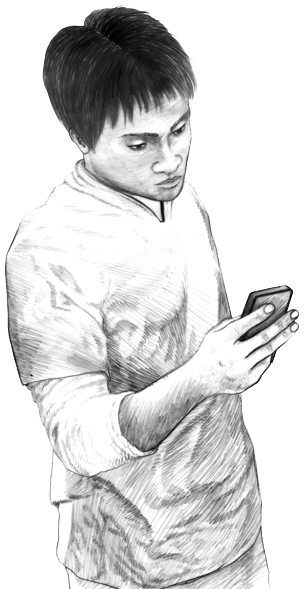
Nurses
are underserved June 28, 2016 -- Nurses are surprisingly underserved by technology. Paradoxically, much of what they do involves computers and complex electronics such as pumps and monitors. In particular, nurses spend a lot of time working with electronic medical records. However, these tools are patient-centric, not nurse-centric. In other words, using these tools, nurses contribute substantially to the quality of patient record-keeping, care delivery, and billing, but the tools do little to support the work of nurses themselves. There is a large gap in the spectrum of nursing knowledge- and process-based tools. The reasons are twofold. First is economics: nursing is a cost center rather than a revenue center. Unlike medical procedures and supplies, most of what nurses do is not directly billable. For example, an appendectomy or a pill generates a charge on a bill for which a medical institution is paid, whereas most of the expense of nursing is, from the financial standpoint of the institution, overhead. The cost of most nursing care does not appear as line items on medical bills; it is bundled into hospital room rates and into the charges for procedures. As with all bundled expenses, the incentive is to reduce them. Whenever possible, spend less on nursing. This makes tools for nurses hard to sell and thus industry rarely develops them. The second reason is the complexity of nursing work and its workflow. At Nurse Tech, Inc., we have given this much thought and propose that a good starting place is, as Drs. Gawande and Pronovost have done for surgeons, the creation of checklists for nurses (NurseMind). Unlike surgeries that are discrete units of work, usually comprising a clearly-defined set of goals and predictable branching paths through the course of procedures, nursing work encompasses entire work shifts and are more varied and fluid in how their content evolves. They would be impossible to capture in static printed checklists. Rather, they require the more complex support that can be provided by algorithms (such as the one we have patented) on mobile devices such as smartphones. In this environment, an app can build nursing task lists by drawing on a variety of sources: nursing units' descriptions of how they provide care (e.g. who takes vital signs? who manages physical resources such as carts and trays?), what diagnoses patients have that demand additional nursing tasks (e.g. diabetes care, central and intravenous lines, catheters), new orders that are received during the course of the shift, changes in patient status, and follow-ups (e.g. lab results, communications with colleagues, requests from families) that must be remembered. The context and its demands are fluid and rapidly changing, and the checklist tool must reflect that without slowing the nurse down. We believe that in the app we have built we have largely satisfied these demanding and complex goals. No app can replace the nurses' clinical judgment and critical thinking. In early versions, we attempted to build algorithms for assigning priorities to tasks but soon concluded that there is no way to automate this. However, it is appropriate for nurses to have tools that support them in the routine parts of their work. This enables them to make fewer omissions and consistently deliver top-quality care. Most importantly, by relieving the cognitive burdens of the routine work, mental space is freed for the higher level thought processes. It is time for nursing to receive the technology support that it needs and deserves. |
|
Dan Keller's Nursing, Health Policy & Healthcare Technology Blog
Nursing Informatics · Clinical Perspectives · Healthcare Systems

"The United States alone [among wealthy countries] treats health care as a commodity to be distributed according to the ability to pay rather than a social service to be distributed according to medical need." — JAMA (2003), 290, 798