New fraud
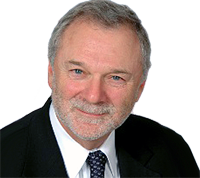
September 1, 2011 -- Though retired now, my brilliant and inspiring grad school professor Dr. Donald W. Simborg continues to expound and illuminate. He writes with authority, having served as co-chair of the expert panel of a study group related to the Nationwide Health Information Network (NHIN) that looked at healthcare fraud. He says, "Healthcare fraud is the most lucrative thing you can do if you're a crook... We're talking about a $250 billion problem." In this month's J Am Med Inform Assoc (9/1/2011;18(5):675-7), he decries new techniques for fraud that have become enabled by modern electronic medical record (EMR) systems. These include:
I applaud my professor's call for better industry oversight. EMRs can do much to improve quality, continuity, and research in healthcare. They must not also serve as tools for fraud. |
|
Dan Keller's Nursing, Health Policy & Healthcare Technology Blog
Nursing Informatics · Clinical Perspectives · Healthcare Systems

"The United States alone [among wealthy countries] treats health care as a commodity to be distributed according to the ability to pay rather than a social service to be distributed according to medical need." — JAMA (2003), 290, 798