 Let's fix nursing school clinical rotations
March 22, 2025 -- When I was applying to nursing schools (back around 2008 or so) I got into every one I applied to (except UCSF which was my own fault because my essay sucked... wish I had a do-over...) I chose USF and I think they chose me (and my cohort) because we could pay the mind-boggling tuition (around $50K/yr). But anyway I already had a MS from UCSF in a medical field (not nursing). After a year or so at USF, disappointed by the poor quality of instruction, I dropped out and switched to Samuel Merritt, a "bottom-feeder" (and profit center for Sutter Health) and just put my head down and plowed through it. Like every nursing school's, their clinicals were where learning occurred; the rest (classroom, lectures, tests, bullshit) was just fluff. The issue of getting students into clinical rotations at hospitals was and has always been delicate. Hospitals benefit because they get free labor, but it does take a toll on staff there because the students are helpless as fledglings and -- doing real nursing work -- can do real harm. The schools provide the hands-on clinical instructors and it's a difficult but essential job, launching novices in their careers, at the place where at last (after endless near-worthless lecture hours) the rubber really meets the road.
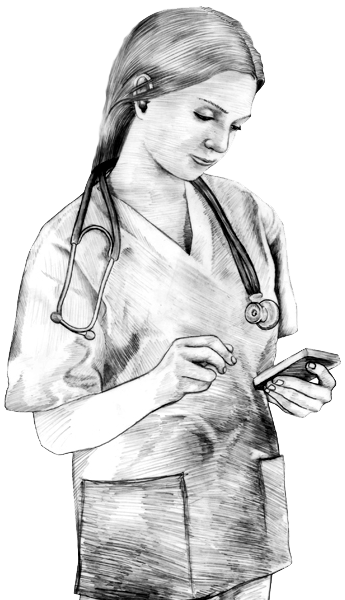
But oh yes, I also learned to be a nurse, an incredible experience and an even more incredible profession. I've had several careers and this was by far the most challenging and fulfilling, a job where your work makes real differences in people's lives, at the point where it matters most (life and death and everything in between... bodies that breathe and bleed... they cry and you cry with them.) In her SF Chronicle article Nursing extremely selective at UC, CSU today, Nanette Asimov writes of nursing students, "They want to do good with their lives. We hear this over and over again..." I call foul. It's not about the lives of the nurses, and every nurse will agree: it's about the patients. The gift (and it's a big one, it's life) is not from the nurse, it's from our patients to us. There's not a nurse alive who doesn't feel this in her (yes, 85% women) in her bones. The gift is huge and it's deep. They trust us -- complete strangers in scrubs walking into their rooms -- from the start though they don't know us, and let us into their existential struggles, touching their bodies, ministering to the most private processes, interceding with families and practitioners, managing the big picture and the small, coordinating care, and listening, listening, listening. Let's fix that shortage (and poor administration of) nursing school clinical rotations and get more of us out into the real world of hospitals and clinics. Artwork by Nurse Tech's artist Henry McAlpine |
Dan Keller's Nursing, Health Policy & Healthcare Technology Blog
Nursing Informatics · Clinical Perspectives · Healthcare Systems

"The United States alone [among wealthy countries] treats health care as a commodity to be distributed according to the ability to pay rather than a social service to be distributed according to medical need." — JAMA (2003), 290, 798

 The app could have made a real difference in the way this delicate process is managed.
But it didn't because I know about software design and nursing and not a jot about marketing.
A strategic tool never got into the hands that would have benefited. For a smart guy I sure am clueless.
The app could have made a real difference in the way this delicate process is managed.
But it didn't because I know about software design and nursing and not a jot about marketing.
A strategic tool never got into the hands that would have benefited. For a smart guy I sure am clueless.