Rethinking
nutrition
December 4, 2019 --
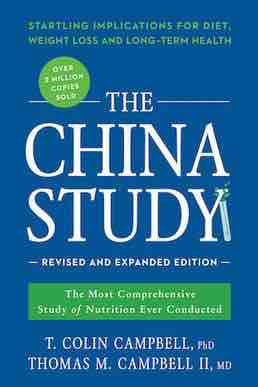
The China Study, first published in 2005, is a bestseller and perhaps the most influential book about nutrition. It advocates a whole foods plant-based (WFPB) diet and the avoidance of animal-based foods for health and weight loss. This stance is based on the strongest dietary evidence to date: a 20-year research study with hundreds of thousands of subjects.
Disease rates in Chinese counties are correlated with diet (animal-based and not). The conclusions are indisputable. The authors, T. Colin Campbell and his son, Thomas M. Campbell II have rocked the world of nutritional science. Adherents (Bill Clinton among them) are legion and I, too, have joined their ranks.
Some related issues the Campbells raise:
- Modern science suffers from reductionism. In the case of nutritional science, the exclusive focus on micro-nutrients (e.g. are "carbs" good or bad? vitamins?) misses the point. They call it, "This mistake of characterizing whole foods by the health effects of specific nutrients... For example, the health effect of a hamburger cannot be simply attributed to... saturated fat... [that is] merely one ingredient. Even if you change the level of saturated fat, all of the other nutrients are still present and may have still have harmful effects on health." [p. 267] The way we study nutrition does not give us good guidance for how to eat.
- Studies by Western scientists have typically been based on groups that are too homogeneous to yield scientifically-valid results. There have been no control groups. For example, the Nurses Health Study (go nurses!), described by the Campbells as using the best experimental design (prospective cohort, i.e. following a group of people and recording diet information before disease events are diagnosed) is nonetheless fatally flawed, they say, by the homogeneity of the cohort -- all meat eaters. There is nothing to compare them to (no control group, i.e. plant eaters).
- Vegan and WFPB diets are not the same. "A vegan diet doesn't use foods of animal origin but can still include... processed foods, and is often high in fat, sugar, and salt, which compromise human health." [p. 240] Beware, fellow vegans!
- There is a political angle, too. The WFPB approach to health as opposed to traditional medicine's heroic procedures such as coronary bypasses and expensive medications "[threatens] the status quo by circumventing standard treatments... 'I'm making a freakin' fortune and you want to take it all away?'" [p. 324-325] Yes, we do want to take it away. For most chronic diseases (diet-caused), conventional medicine is a failure. The China Study demonstrates that there are better (and cheaper) ways to live, eat, and stay healthy.
We need, they say, to make a "...radical shift in [our] thinking about food." [p. 238] We must relearn a lifetime of habits -- shopping, cooking, eating, feeding our loved ones, and the culture that drives all this.
Read this book! Join the movement toward healthy eating!
Book cover image courtesy of Wikipedia fair use, link.
Table of Contents
|

